
Common Pests in Charleston, WV: A Season-by-Season Guide

Charleston homeowners deal with a rotating cast of pests throughout the year, and the tricky part is that the calendar determines which ones show up at your door. West Virginia's humid summers, mild springs, and cool Appalachian winters create conditions that favor a wide range of insects and rodents. Knowing when each pest becomes active gives you a real advantage. If you already know which pests live in this area, this guide takes that knowledge one step further by showing you the seasonal window when each threat is at its peak.
Quick Answer: When Are Pests Most Active in Charleston, WV?
Pest activity in Charleston, WV peaks in spring and summer, when termites swarm, mosquitoes breed, and ants and stinging insects become highly active. Rodents and cockroaches shift indoors in the fall as temperatures drop, and they often remain through the winter. There is no truly pest-free season in the Charleston metro area.
Fast Facts
- Termite swarm season in West Virginia typically runs from March through May, making spring the most critical time for inspections.
- Mosquitoes in WV are active from late April through October, with peak biting activity from June through September.
- Fall is when mice and rats most aggressively seek entry into homes as outdoor food sources dry up.
Why Charleston's Climate Fuels Year-Round Pest Pressure
Charleston sits in the Kanawha Valley at the confluence of two rivers, and that geography matters. The valley traps moisture, keeps winter temperatures relatively mild compared to the rest of West Virginia, and produces long, humid summers. That combination is almost ideal for pest survival. Termites benefit from the moisture-rich soil. Mosquitoes thrive near the Kanawha and Elk Rivers. Rodents find plenty of cover in the area's wooded hillsides, and warm buildings in winter become irresistible when temperatures drop.
According to the West Virginia Office of Environmental Health Services, mosquito-borne diseases are most commonly reported during the summer and fall months, which aligns with the period of heaviest mosquito activity in Kanawha County. Understanding that pest pressure follows seasonal and climate patterns helps homeowners stay a step ahead rather than reacting after an infestation has already started.
If you want a broader overview of what you might be dealing with at any time of year, our post on the seven most common pests in the area is a solid starting point. This guide builds on that by mapping each pest to its peak window.
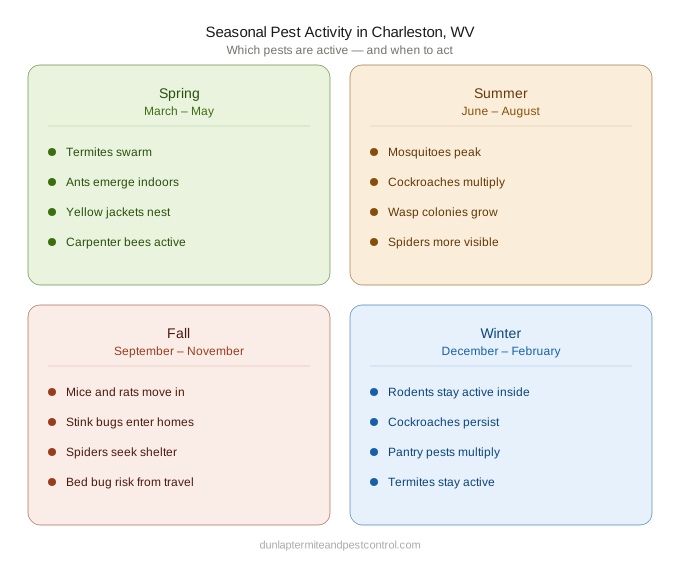
Spring (March through May): Termites, Ants, and Stinging Insects Wake Up
Spring is the most consequential pest season for Charleston homeowners. As soil temperatures climb above 50 degrees, subterranean termites become active and begin producing swarmers, the winged reproductive forms that signal a mature colony. Termite swarms typically occur on warm, humid days following rain, and in the Charleston area, that means March through May is prime time. Seeing swarmers near a window or finding discarded wings on a sill are among the most urgent signs of a termite infestation in your home. A professional termite treatment in spring can prevent damage that would otherwise go undetected for months.
Ant colonies also wake up in force during spring. Carpenter ants, which excavate wood to build nests, are particularly problematic in older Charleston homes where moisture-damaged wood is common. Odorous house ants and pavement ants start foraging indoors as they search for food after winter. Stinging insects such as yellow jackets and paper wasps begin building nests in April and May. Early in the season, these nests are small and queens are working alone, making spring the best time to address them before colonies reach full size in summer.
Summer (June through August): Mosquitoes, Roaches, and Wasps Hit Their Peak
Summer is when pest pressure becomes most visible for Charleston residents. Mosquito season in West Virginia runs from late April through October, but June through September represents the peak period. The West Virginia Bureau for Public Health's mosquito surveillance data confirms that Aedes albopictus, the Asian tiger mosquito, is active from May through October across the state and is particularly well established in Kanawha County. This species can breed in very small amounts of standing water, including bottle caps and clogged gutters, which makes elimination of breeding sites critical during the warm months.
Cockroaches multiply quickly in summer heat. German cockroaches, the most common indoor species in this region, are most active when temperatures are warm and humidity is high. A small kitchen infestation in spring can become a serious problem by August if it goes untreated. Wasp and hornet colonies reach their largest size between July and August. Yellow jackets, in particular, become defensive and aggressive in late summer when colony resources are running low, making them more likely to sting if disturbed.
In our experience, summer is also when homeowners notice spiders in greater numbers, particularly in basements and garages. Most common species in the Charleston area are harmless, but their increased presence often reflects higher populations of the insects they feed on, which is a useful reminder that pest pressure runs deep in warmer months.
Fall (September through November): Rodents Move Inside and Overwintering Insects Seek Shelter
Fall is the transition season for pest activity, and it brings a distinct threat: rodents actively searching for warm shelter as outdoor temperatures drop. Mice and rats follow food sources and warmth, and homes in the Charleston area provide both. A mouse can fit through an opening the size of a dime, and they typically begin entering structures in September and October. We've seen homeowners who noticed a mouse in late October discover a fully established colony in their walls by December. Addressing entry points in early fall prevents that outcome. Rodent control services are best initiated before activity peaks.
Brown-marmorated stink bugs also become a nuisance in fall as they seek overwintering sites. They push into homes through gaps around windows, doors, and siding. While they pose no structural or health threat, large numbers can be difficult to manage once inside. Spiders follow the same pattern, moving toward warmth as insects become scarce outdoors. Fall is also a time to be vigilant about bed bugs if your household has traveled during the summer. If you need a refresher on what to look for, our guide to bed bug prevention covers detection and protective habits in detail.
Winter (December through February): Indoor Pests Stay Active
The cold months do not mean pest-free living in Charleston. Rodents that established indoor access in the fall remain active throughout winter, feeding, nesting, and reproducing. Cockroaches, especially German cockroaches, thrive in the warm interiors of kitchens and bathrooms regardless of outdoor temperatures. Subterranean termite colonies remain active below the frost line and within heated structures, though surface swarming stops until spring.
Winter is also when pantry pests such as Indian meal moths and grain beetles become more noticeable. These insects arrive in stored food products and can spread to multiple pantry items if not caught early. Keeping dry goods in sealed containers and inspecting purchases before storing them significantly reduces the risk.
One underappreciated winter pest risk in West Virginia homes is moisture in crawl spaces. Wet crawl spaces created by winter condensation and ground moisture create ideal conditions for mold, wood decay, and eventually termites and certain ant species. This is part of why Dunlap's permanent foundation services address the root cause rather than just the pest itself.
Year-Round Prevention: Practices That Work in Every Season
No single action prevents all pests, but consistent habits significantly reduce risk across every season. For more detailed guidance, our post on tips on keeping bugs out of your home covers the fundamentals in depth. The key practices include:
- Seal entry points. Inspect the foundation, utility penetrations, and gaps around doors and windows each fall before rodent season.
- Eliminate standing water. Clean gutters regularly and remove containers that collect rainwater to cut mosquito breeding grounds.
- Store firewood away from the home. Woodpiles stacked against the house invite termites, carpenter ants, and rodents.
- Keep a clean kitchen. Crumbs, spills, and unsealed food containers attract cockroaches, ants, and pantry pests year-round.
- Maintain a moisture-free crawl space. Addressing humidity in the crawl space removes one of the most significant drivers of termite and ant activity in older WV homes.
- Schedule regular professional inspections. Many pest problems, especially termites and rodents, cause damage long before they become visible.
When Should You Call a Pest Control Professional?
Some pest situations respond well to DIY measures, but others require a professional response. You should contact a licensed exterminator when you find swarmers or shed wings, which signal an active termite colony. Rodent activity anywhere inside the home also warrants professional intervention, because exclusion work and targeted baiting require expertise that most homeowners do not have. Cockroach infestations spread quickly and are difficult to eliminate without professional-grade treatments. Stinging insect nests located near doorways, play areas, or HVAC intakes should not be handled without protective equipment.
If you have seen signs of any pest activity this season, or if you simply want to get ahead of the spring surge, Dunlap Termite & Pest Control is here to help. We serve the Charleston metro area and surrounding communities across West Virginia, and we offer free inspections with no contracts required. Our team has been protecting West Virginia homes for over 15 years, and we know exactly what pest activity looks like at every point on the calendar.
Request a free quote today or call us at 304-249-3512. Our residential pest control plans are built around your home's specific needs, not a one-size-fits-all package.
Staying Ahead of Pests in Charleston, WV
Pest activity in the Charleston area is genuinely a year-round concern, and the calendar is your best planning tool. Termite inspections belong on your spring checklist. Mosquito and stinging insect management belongs in summer. Rodent exclusion should happen in early fall before the cold arrives. Indoor pest monitoring continues through winter. When you match your response to the season, you stop reacting and start preventing.
Dunlap Termite & Pest Control offers seasonal pest control plans designed specifically for homes in the Charleston, West Virginia area. Get your free quote or call 304-249-3512 to schedule a consultation.